

Page speed is a competitive advantage in 2026 – not a luxury
A page loading in 5 seconds loses 40% of visitors. Core Web Vitals explained and practical steps to improve your site speed.
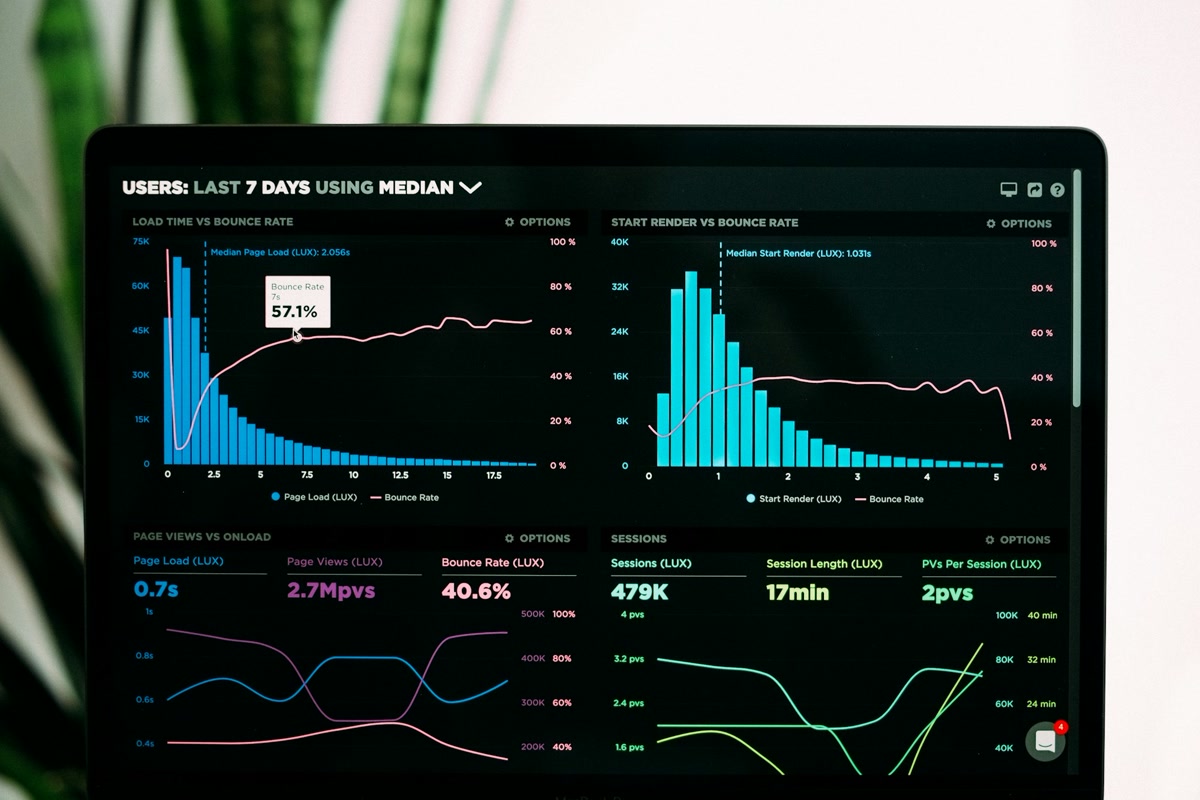
A page that loads in 2 seconds has 2x higher conversion than one that loads in 5 seconds. This is not theory – it is data from thousands of analyses in 2026. Speed is not just "loading time". It is the entire architecture of user experience.
Why speed matters? ⚡
Users have 0.3 seconds to decide whether to stay on your page. If your site loads slowly, they leave – they do not wait or test again. Your competitors are faster. Google notices. Conversion increases proportionally with speed.
💡 Pro tip
Use WebP or AVIF images instead of JPEG/PNG. 80% of pages have oversized images. Lazy loading can speed up initial render by 30-50%.
Core Web Vitals 2026 📊
LCP (Largest Contentful Paint) – time to load the largest element. FID (First Input Delay) – reaction time to first interaction. CLS (Cumulative Layout Shift) – layout stability. All three are Google ranking factors.
See our web development and SEO positioning services, or contact us for a free quote.
Frequently Asked Questions
- Does page speed really affect Google rankings?
- Yes. Core Web Vitals is an official Google ranking factor since 2021. Pages with poor LCP above 2.5 seconds lose positions compared to faster competitors, even with better content.

Michał Grycz
Software engineer and founder of MGSupport. Designs and builds high-performance web systems, e-commerce, and business automations.